Your florist quotes you $1,800 for centerpieces, and you’re not sure why five roses and some greenery cost that much — or whether those flowers will even hold up through the reception.
The answer usually comes down to two things: which blooms you chose, and whether they’re in season on your wedding date.
Here’s what you actually need to know about each one.
1. Orchids: The Forever Flower (3-4 Weeks Fresh, Year-Round Affordable)
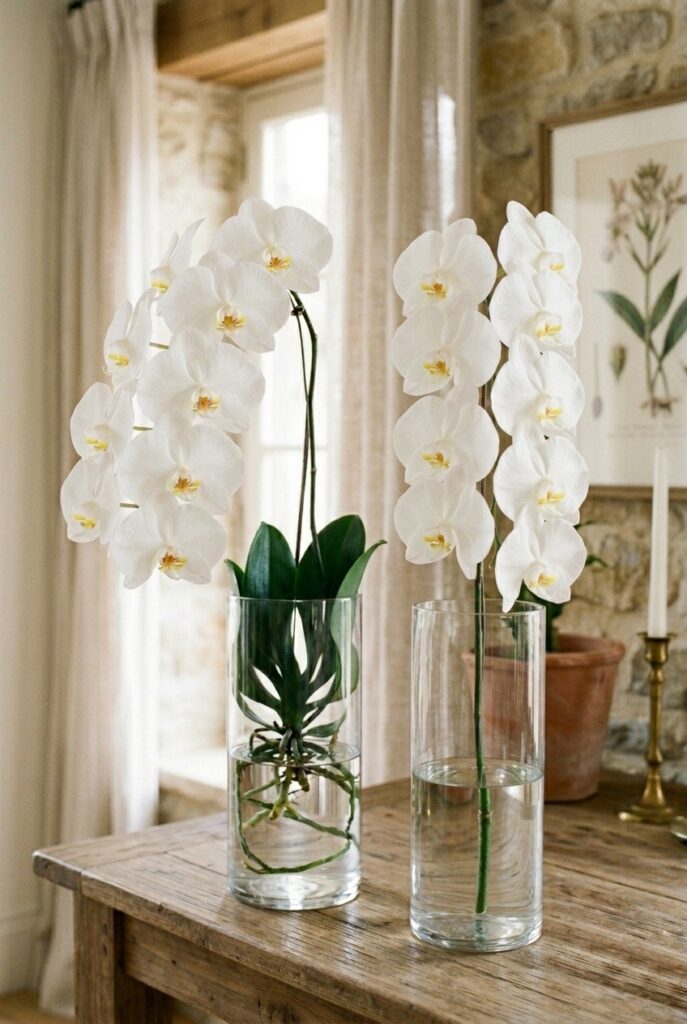
Orchids last three to four weeks in a vase, resist heat, and cost $1–3 per stem year-round — they never spike in price the way seasonal flowers do.
They read as architectural and refined rather than romantic, but they work in modern, tropical, and formal settings; for a full breakdown of centerpiece ideas worth knowing, they’re consistently one of the most reliable anchors.
2. Garden Roses: Premium Look, Steep Price Tag (5-8 Days Fresh, Seasonal)
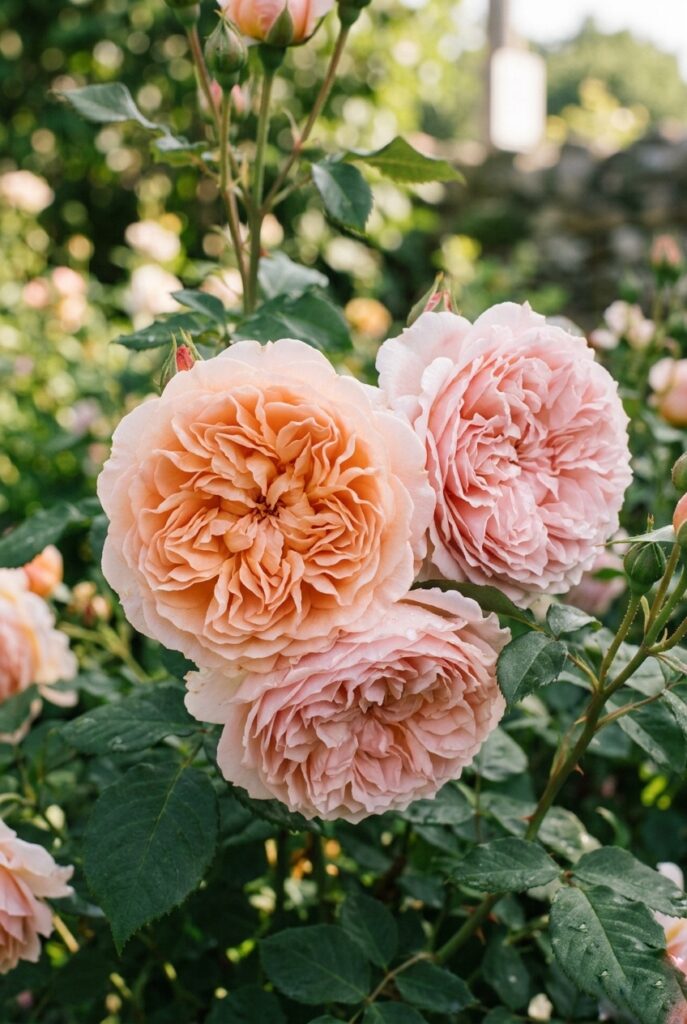
Garden roses have a looser, fuller shape than standard florist roses and last five to eight days when sourced fresh in season (April–July, September–October).
Out of season the same stem costs three times more and wilts faster, so they work best as a focal accent on round table displays rather than the sole flower in your centerpiece.
3. Carnations: The Underrated Budget Superhero (3-4 Weeks Fresh, $0.50-1.50 per Stem)
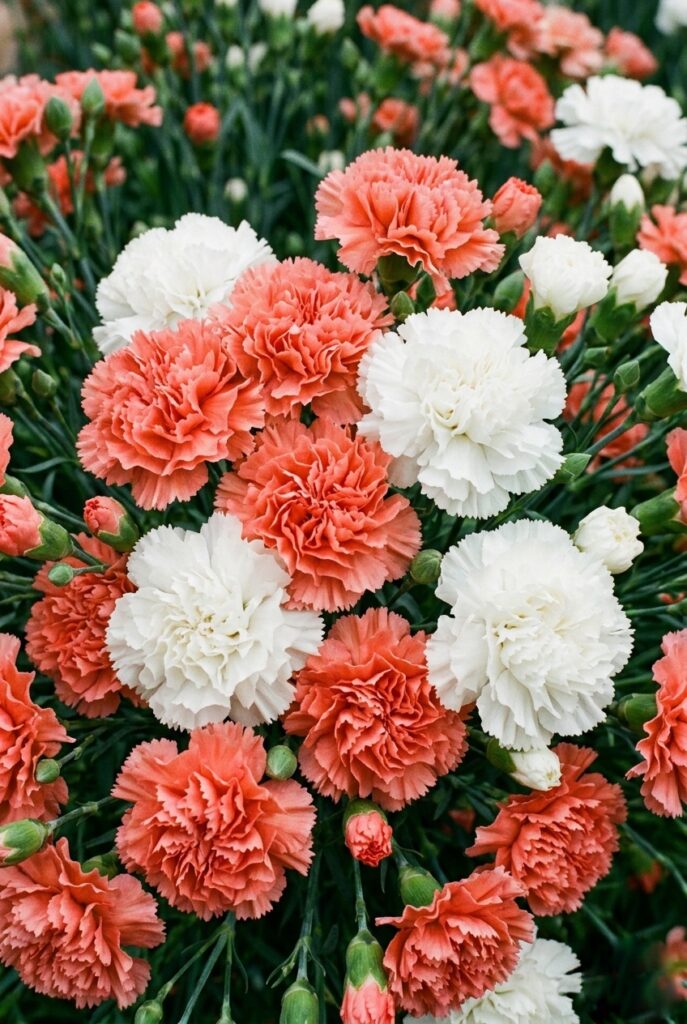
Carnations last as long as orchids — three to four weeks — cost under $1.50 per stem at retail, and come in nearly every color, making them the most practical base flower you can use.
Pairing them with a single premium focal flower and greenery is the most effective way to build your own centerpieces without blowing your budget.
Budget Hack After Idea 3: A full, lush centerpiece with 5 carnations + 3 stems of filler (baby’s breath, waxflower) + 5 stems of eucalyptus costs $8-12 to assemble DIY. Add one garden rose or dahlia ($3-5 depending on season) and suddenly it looks like a $60-80 florist piece. Total cost: $15-18. Specific action: Buy carnations as your base (24-30 stems for $10-15), build all 15 centerpieces with them, then add one premium focal flower per piece. This technique cuts typical florist pricing by 70%.
4. Dahlias: Short-Lived Drama (3-5 Days Fresh, $2-8 per Stem, Summer-Only)
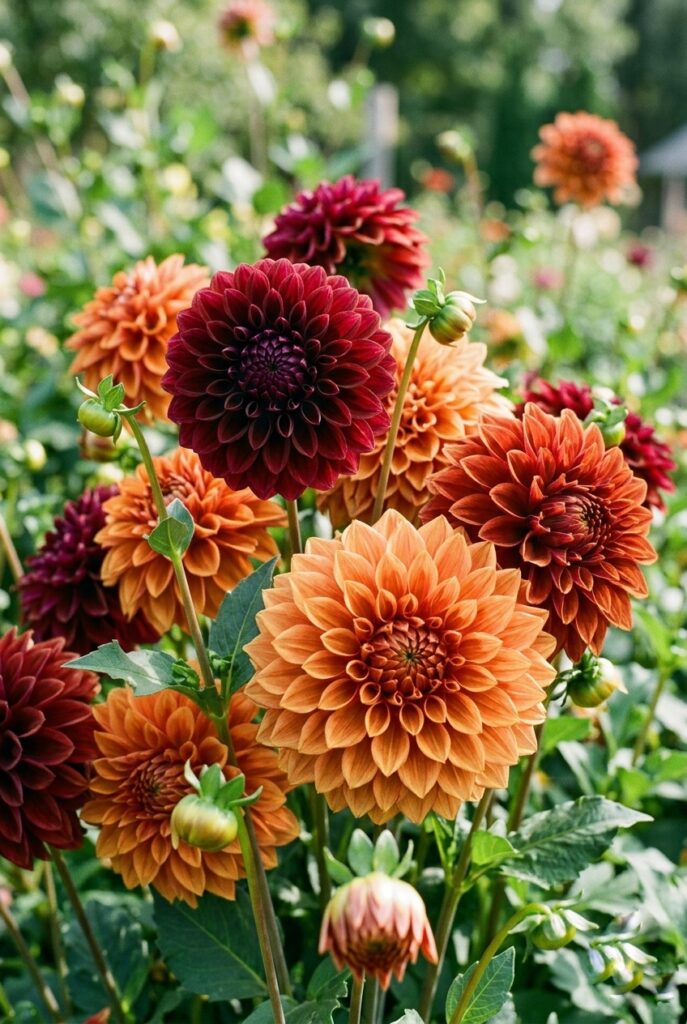
Dahlias are a bold summer choice — layered, dramatic, and best sourced from June through September when they cost $2–4 per stem and are at their freshest.
Outside that window they cost $8–15 per stem and still only hold for three to five days, so they’re better used as a one- or two-piece accent than the main event; check fall wedding flowers for what works better as the season shifts.
5. Hydrangeas: Full Bulk, Affordable (5-7 Days Fresh, $1.50-3 per Stem)
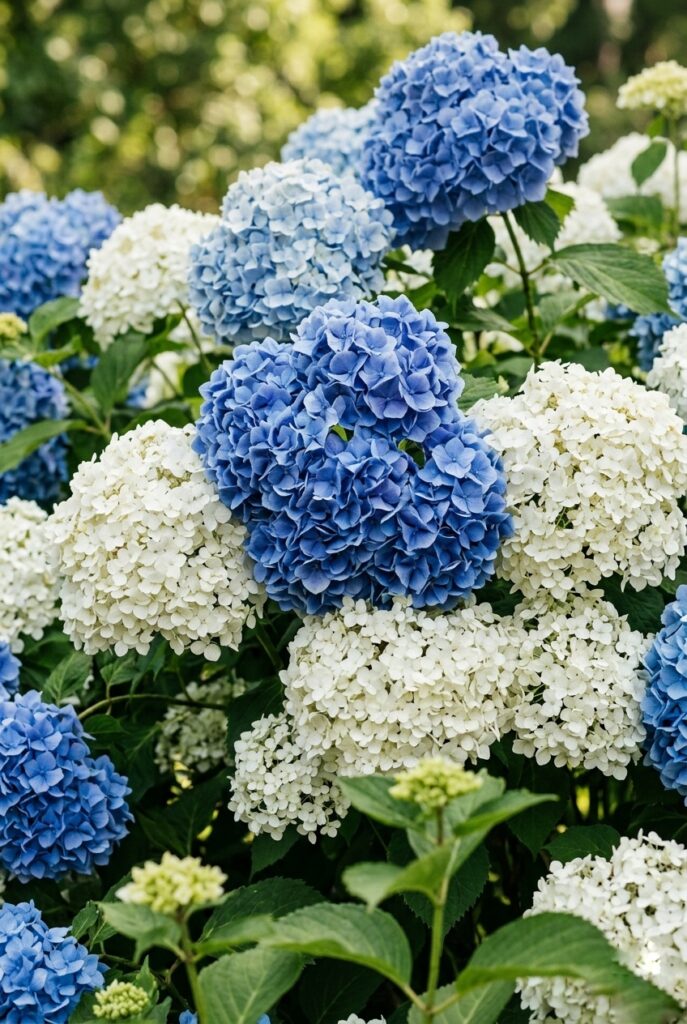
One hydrangea head fills the space of five roses, making them one of the most efficient flowers for building a full-looking arrangement without a large stem count.
They’re thirsty flowers that need water within two to three hours of cutting, so they’re not suited for long travel or warm venues — but in the right setting they anchor rustic centerpiece styles with ease.
6. Ranunculus: Beautiful But Fragile (3-4 Days Fresh, $3-10 per Stem, Spring-Only)
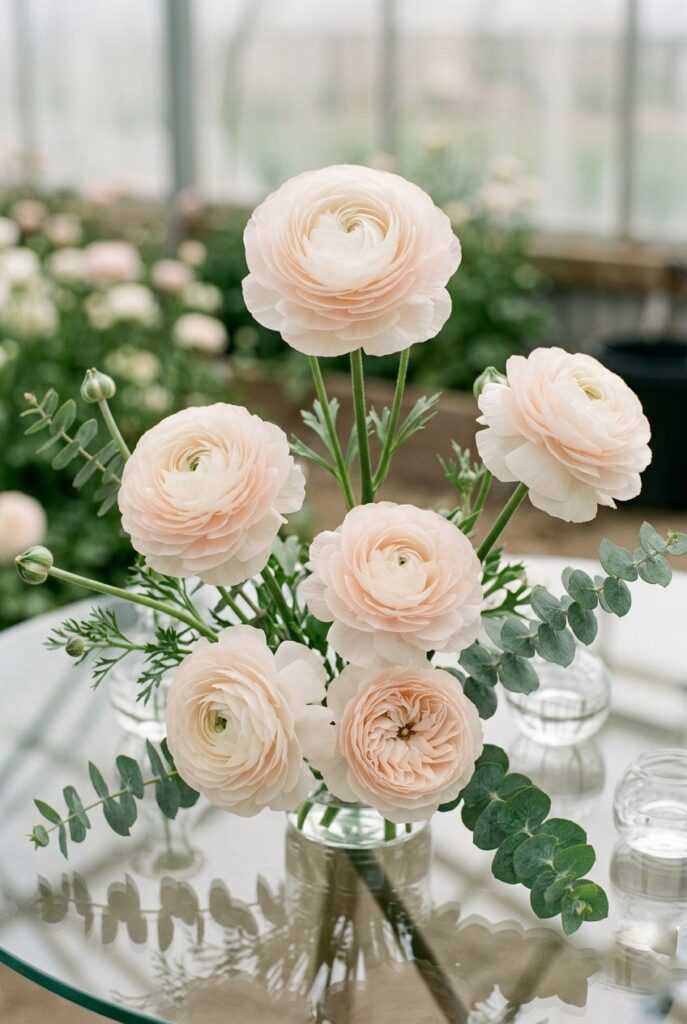
Ranunculus give you the layered, soft look of a peony at a lower cost — but only in spring (March–May), when they run $3–5 per stem and arrive reliably fresh.
Outside spring they cost $8–10, wilt in three to four days, and bruise if handled roughly, so ask your florist to order them no more than four days before your wedding date.
7. Lisianthus: Elegant Alternative to Roses (5-7 Days Fresh, $2-4 per Stem)
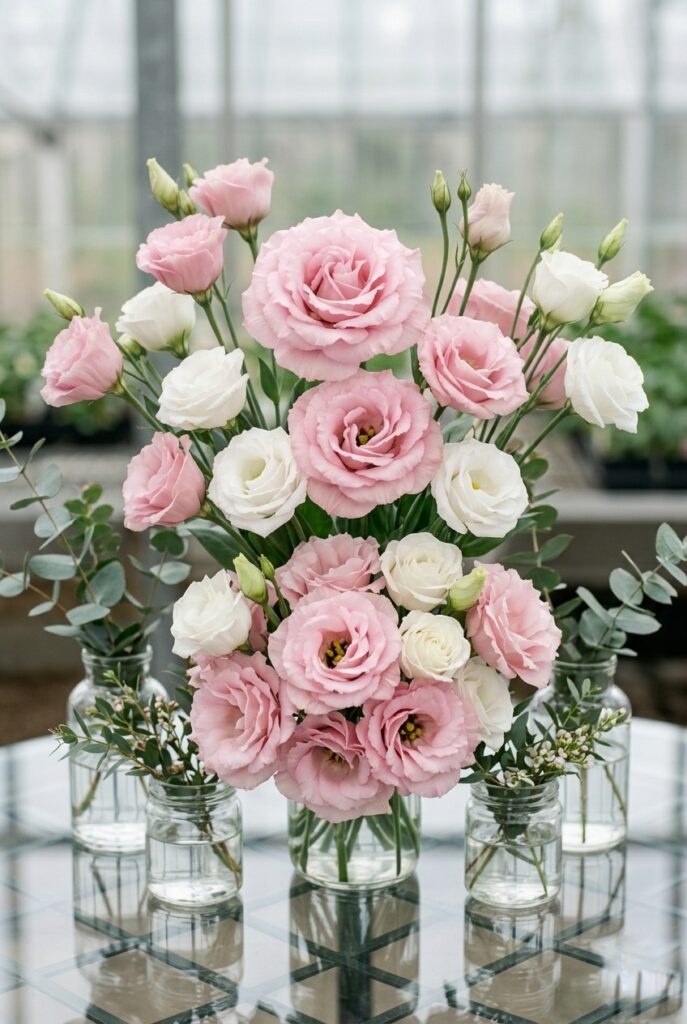
Lisianthus is a softer, less fragile alternative to ranunculus — it lasts five to seven days, costs $2–4 per stem, and holds up year-round without the dramatic seasonal price swings.
Three to five stems of lisianthus per centerpiece gives you a genuinely romantic petal texture that works beautifully in an elevated centerpiece look without the peony price tag.
8. Baby’s Breath: The Essential Cheap Filler (3-4 Weeks Fresh, $0.15-0.50 per Stem)
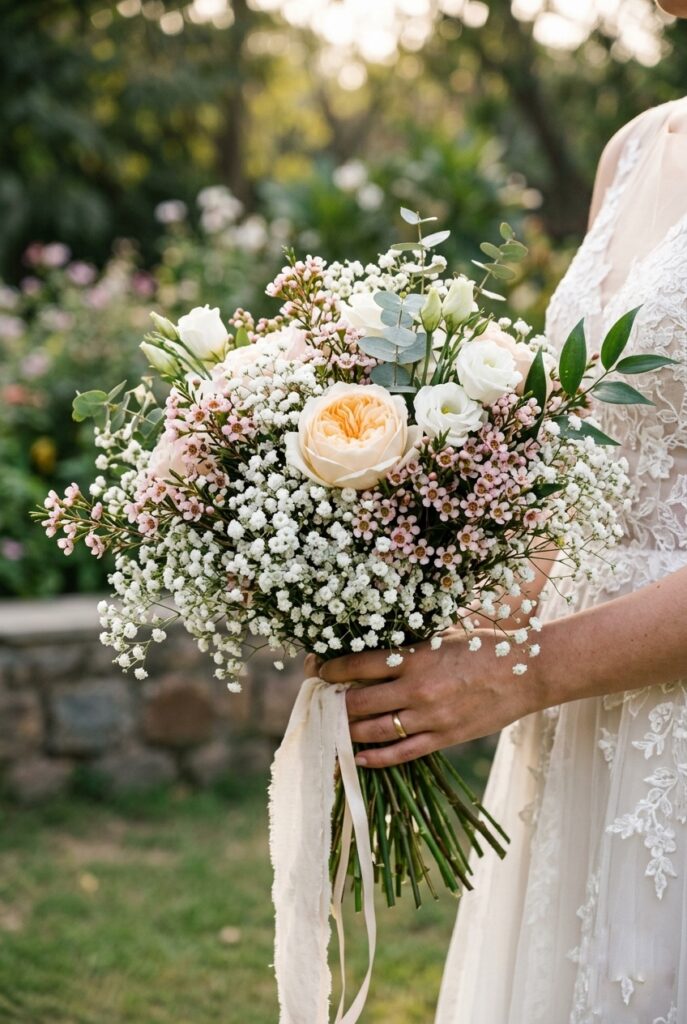
Baby’s breath lasts three to four weeks, costs $0.15–0.50 per stem, and adds the kind of airy fullness that reduces how many expensive focal flowers you actually need.
Three to five stems per arrangement is all it takes to create a pared-back centerpiece that looks intentional rather than sparse.
9. Waxflower and Statice: Texture for Pennies (3-4 Weeks Fresh, $0.30-1 per Stem)
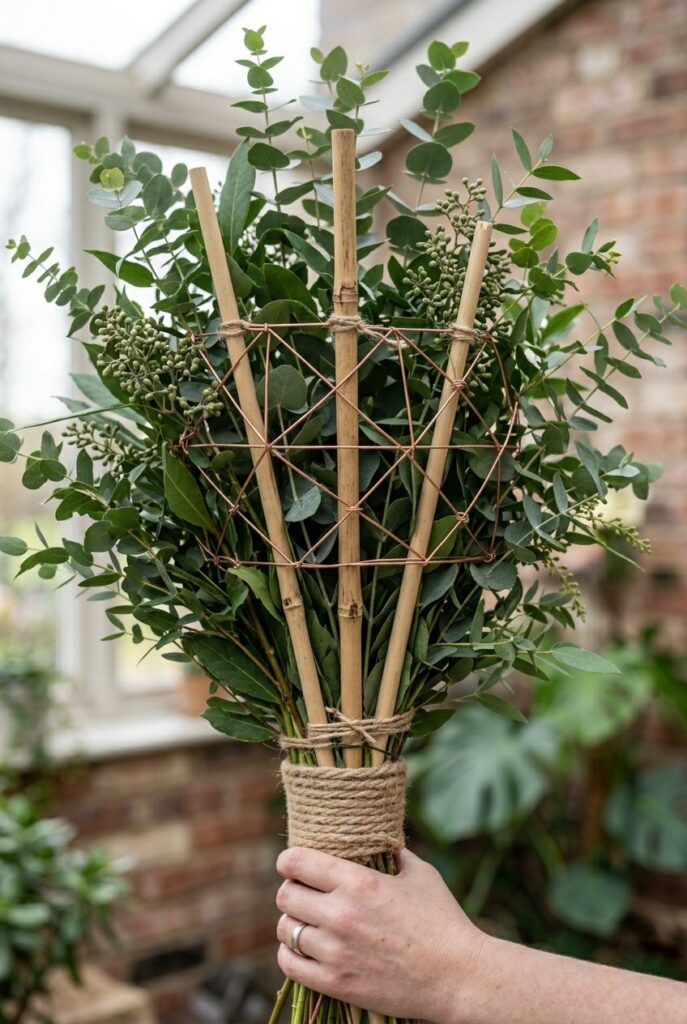
Waxflower and statice are small, delicate filler flowers that last three to four weeks and cost $0.30–1 per stem — use them the same way you’d use baby’s breath, as the texture layer between your focal flower and greenery.
They’re particularly effective for achieving a simple, clean centerpiece where the arrangement feels full without looking cluttered or overdone.
Budget Hack After Idea 9: A professional-looking centerpiece structure is: 2 focal flowers (garden rose, dahlia, or ranunculus) + 3 carnations (base filler) + 3-5 baby’s breath/waxflower (texture) + 5 stems of eucalyptus (greenery). Total stems: 13-15. Total cost: $18-28 DIY. This same arrangement from a florist costs $80-150. Specific action: Buy in this ratio for every centerpiece. Don’t deviate. Two focal flowers is the magic number.
10. Seasonal Greenery: The Unsung Cost Saver
Eucalyptus, ruscus, and salal cost $0.30–2 per stem wholesale and last two to three weeks — five to eight stems of greenery give every arrangement its height, fullness, and structure for almost nothing.
Think of greenery as the frame: without it, even expensive focal flowers look flat, and the whole arrangement needs more stems than it would with a solid green base underneath.
Your next step is deciding how many centerpieces you need and what structure you want on each table.
If you’re working through different table shapes and sizes, round table displays and the ideas in wedding centerpiece ideas worth knowing will help you plan the right scale and flower count per piece.
For an entirely different look on the same tables, see how these flowers pair with candles — or, if you’re carrying flowers in your hand too, bridal bouquet ideas covers the best ways to coordinate your bouquet with your table arrangements.